What Is CPTSD? Understanding Complex PTSD
Have you heard the term 'Complex PTSD' but you're not quite sure what it means? You're not alone. This guide gently explains what CPTSD is, how it develops, and the common signs, in warm, non-clinical language.
Part of our guide to what PTSD is, its symptoms and causes.
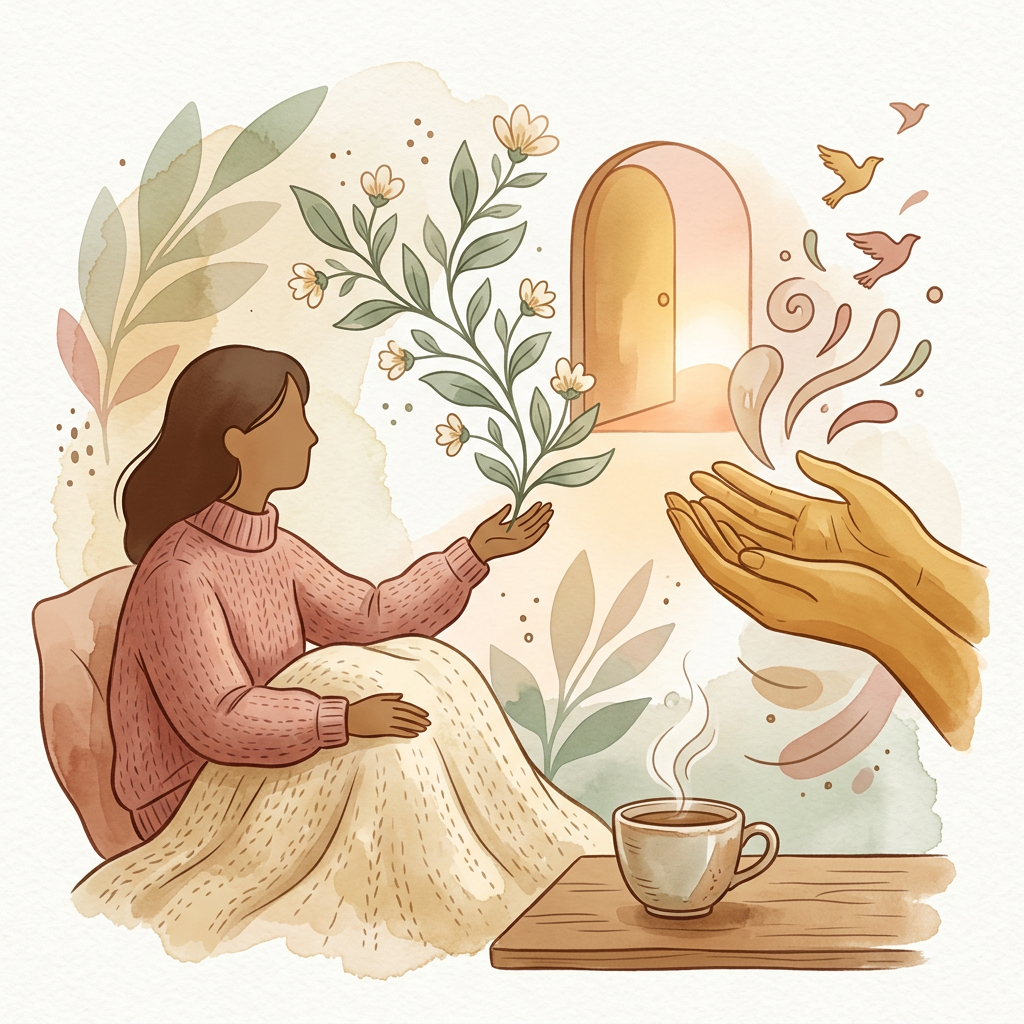
If you’ve come across the term ‘CPTSD’ and felt a flicker of recognition, or maybe just confusion, you are in the right place. At Recovery Trauma™, we know that labels can sometimes feel heavy, but they can also offer a profound sense of validation. Understanding what Complex PTSD is can be the first step towards making sense of your experiences and finding a path forward that feels right for you. This is not about diagnosis; it’s about understanding.
So, What Is Complex PTSD?
In simple terms, Complex PTSD (or CPTSD) is a response to chronic, relational trauma. Unlike Post-Traumatic Stress Disorder (PTSD), which can develop after a single terrifying event, CPTSD often arises from situations where a person has experienced repeated harm over months or years, with no clear way to escape.
This often happens within relationships where there should have been safety and trust. Think of childhood abuse or neglect, long-term domestic violence, being a prisoner of war, or living in a high-control group or religion. The trauma isn't just one event; it's a prolonged state of being unsafe, controlled, or trapped. This ongoing nature is what makes the impact so ‘complex’.
CPTSD vs PTSD: What’s the Difference?
Many people are familiar with PTSD, often associated with soldiers returning from war or survivors of a major accident. While CPTSD and PTSD share some symptoms, like flashbacks and hypervigilance (being constantly ‘on alert’), the core difference lies in the nature of the trauma.
Think of it this way: PTSD is often about the terror of a specific event happening again. CPTSD is about the deep, developmental impact of ongoing trauma. Because it so often begins in childhood or happens within key relationships, it shapes a person’s sense of self, their ability to trust others, and their capacity to regulate their own emotions. It becomes woven into the fabric of who they are and how they see the world. It’s not just about re-experiencing an event; it's about navigating a world that has always felt unsafe.
Recognising CPTSD Symptoms: More Than Just Flashbacks
While someone with CPTSD can experience the classic PTSD symptoms, they also tend to struggle with a wider set of challenges that relate to their sense of self and their connections with others. Reading about symptoms can sometimes be difficult; please be kind to yourself and take a break if you need to.
Some common CPTSD symptoms include:
- Difficulties with Emotional Regulation: This can look like sudden and intense waves of sadness, anger, or fear that feel impossible to control. It might also involve feeling emotionally numb or empty.
- Changes in Self-Perception: A deep, persistent sense of shame, guilt, or worthlessness is very common. You might feel fundamentally different or broken compared to other people.
- Relationship Struggles: Trusting others can feel impossible. You might find yourself avoiding relationships altogether, or drawn to chaotic or unhealthy dynamics because they feel familiar.
- Dissociation: This is a feeling of being detached from your mind, your body, or the world around you. It can feel like you’re watching your life in a film or that things aren't quite real.
- Loss of a System of Meaning: The trauma can shatter your faith or core beliefs, leaving you feeling hopeless or despairing about the world and your place in it.
This is not a checklist for diagnosis. It's an offering of understanding. If these points resonate, know that you are not alone and your struggles make sense given what you have endured.
Coming Back to Yourself: First Steps in CPTSD Wellbeing
Recovery from Complex PTSD isn't about ‘fixing’ yourself, because you are not broken. It's a gentle, personal journey of coming back to yourself and building a life where you feel safer and more whole. It often involves learning to regulate your nervous system, building self-compassion, and slowly learning what it feels like to be safe in your own body and, eventually, with trusted others.
This path is unique to every survivor. For some, it involves trauma-informed therapy, while for others, it might begin with somatic (body-based) practices, creative expression, or finding a community of fellow survivors who just 'get it'. There is no one right way.
What to try today: Place one hand on your chest and the other on your belly. Take three slow, gentle breaths, simply noticing the feeling of your hands rising and falling. You don't need to change your breath, just notice it. This is a small anchor to the present moment, a simple reminder that you are here, right now.
Learning about CPTSD is a huge step. It gives a name to the invisible weight you may have been carrying for a lifetime. It confirms that you are not ‘too sensitive’ or ‘making it up’. You are a survivor of something profound, and your responses are normal responses to abnormal circumstances. Be gentle with yourself as you process this information. Your journey of wellbeing is your own, and it unfolds one moment, one breath, at a time.
Practices that go with this article
These guided practices are part of Recovery Trauma™ membership. They were chosen to match what you have just been reading.
Ready to put what you've learned into practice?
Recovery Trauma™ gives you access to guided exercises, grounding and nervous-system practices, journals, healing journeys, assessments and other recovery resources — all in one place.
Join Recovery Trauma™Already a member? Sign in to go straight there.
Sources & further reading
- Complex PTSD — NHS
- Post-traumatic stress disorder (guideline NG116) — NICE
- Post-traumatic stress disorder — fact sheet — World Health Organization
- Post-Traumatic Stress Disorder — National Institute of Mental Health (NIMH)
These sources are for general education. Recovery Trauma™ does not diagnose or treat — please speak to a qualified professional about your own situation.
Cite this article: Recovery Trauma™ (2026). “What Is CPTSD? Understanding Complex PTSD.” Recovery Trauma™. https://recoverytrauma.com/blog/what-is-cptsd-understanding-complex-ptsd
Keep going with Recovery Trauma™
Wellbeing is not something you do alone. Here's what's next.
Keep reading
Related articles
CPTSD
Using EFT for Emotional Flashbacks
A flashback is not the moment for a full protocol. A shortened, grounding-first version of tapping that works when you are already inside one.
CPTSD
Complex PTSD vs PTSD: Key Differences Explained
PTSD and Complex PTSD share roots, but they show up differently. Here is what sets them apart — and why the distinction matters for recovery.
CPTSD
Can You Fully Recover from CPTSD?
An honest, evidence-informed answer to the question survivors most want an answer to — and what recovery actually looks like day to day.