The 4 Trauma Responses: Fight, Flight, Freeze & Fawn Explained
A survivor-led guide to the four trauma responses — fight, flight, freeze and fawn. How each one feels in the body, why it develops, and gentle ways to soften it.
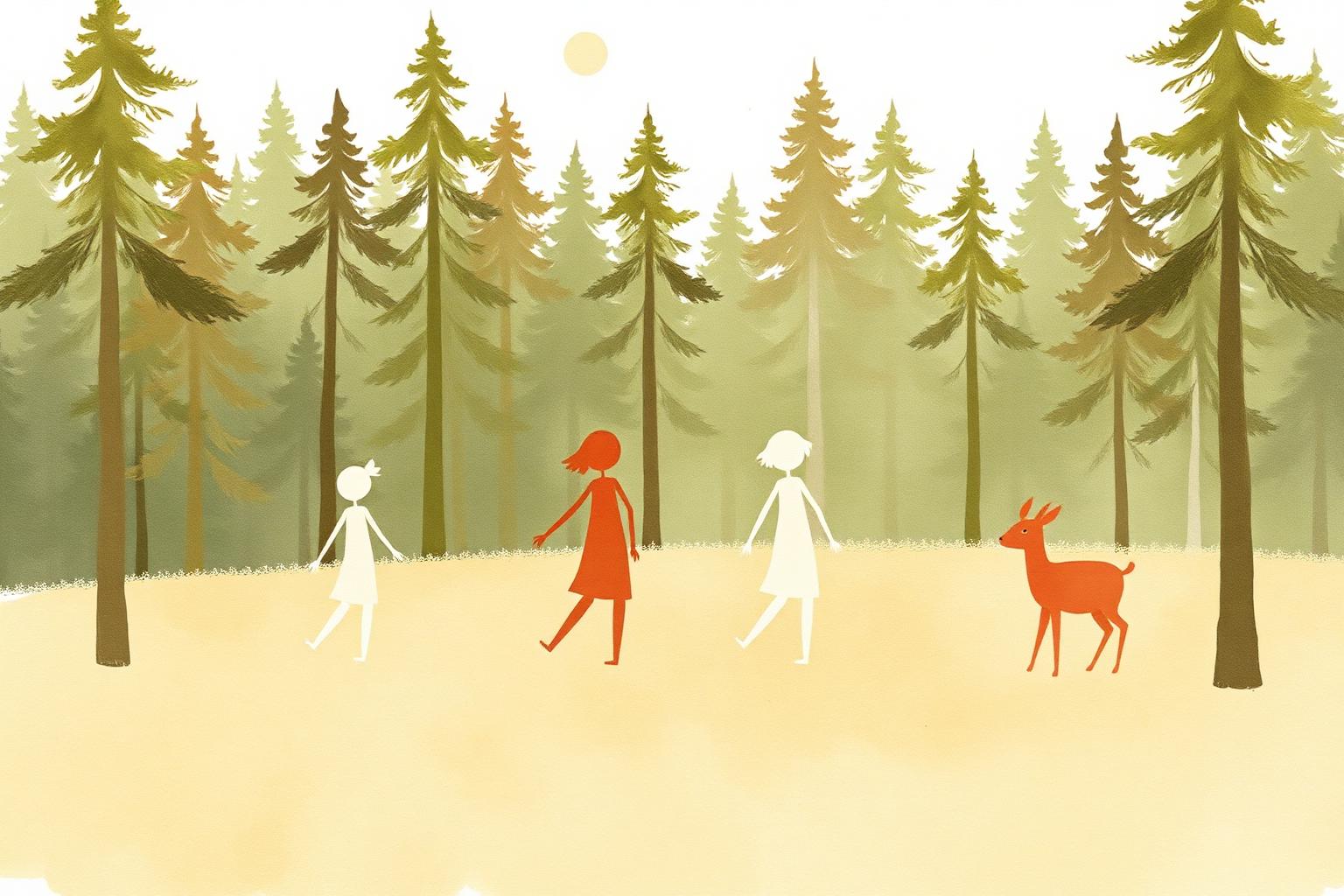
A gentle, survivor-led guide to the four trauma responses your body uses to keep you safe.
When something feels unsafe — even a memory, a tone of voice, a look across a room — your body responds before your thinking mind catches up. These automatic reactions are called the four trauma responses: fight, flight, freeze and fawn. They aren''t flaws. They aren''t weakness. They''re a nervous system doing exactly what it learned to do to keep you alive.
This guide walks through each response with gentle language, body-level signs, and small things that can help you soften.
On this page
- Fight — mobilised outward
- Flight — mobilised away
- Freeze — immobilised, shut down
- Fawn — appease, toward
- Why trauma responses develop
- Working with your responses
- Frequently asked questions
Fight
Mobilised — outward. The fight response is your nervous system pushing back against threat. It can look like anger, irritability, defensiveness, control, perfectionism, or a constant sense of being on guard. Underneath it is often a young part of you that learned safety meant standing your ground.
How it can feel
- Sudden anger or rage that feels bigger than the moment
- Clenched jaw, tight chest, hot face
- Urge to argue, correct, or "win"
- Perfectionism and controlling behaviours
Gentle ways to soften
- Long, slow exhales — exhale twice as long as the inhale
- Push your palms firmly against a wall for 30 seconds
- Name what you''re protecting: "A part of me is trying to keep me safe."
Flight
Mobilised — away. Flight is the impulse to escape — physically, mentally, or emotionally. It can look like restlessness, over-working, over-planning, doom-scrolling, or leaving relationships the moment they feel too close. It''s not weakness; it''s a body that learned movement equals survival.
How it can feel
- Racing thoughts, difficulty settling
- Constant busyness or over-scheduling
- Anxiety spikes, panic, urge to leave
- Avoidance of stillness or intimacy
Gentle ways to soften
- Feet flat on the floor — press down, notice the ground
- The 5-4-3-2-1 grounding technique
- One slow task with your hands (wash a cup, fold a cloth)
Freeze
Immobilised — shut down. Freeze happens when the nervous system decides neither fight nor flight is safe, so it powers down. It can feel like numbness, dissociation, brain fog, exhaustion, or being stuck. Freeze is a protective pause, not a failure.
How it can feel
- Feeling numb, foggy, or "not here"
- Difficulty making decisions or starting tasks
- Heavy body, low energy, oversleeping
- Losing time or zoning out
Gentle ways to soften
- Splash cool water on your face or hold something cold
- Gentle movement — sway, stretch, walk slowly
- Orient: name three things you can see in the room, out loud
Fawn
Appease — toward. Fawn is the response many survivors of relational or childhood trauma know best: keeping others happy to stay safe. Named by therapist Pete Walker, it can look like people-pleasing, difficulty saying no, over-apologising, or losing yourself in what others need. It''s a survival strategy, not a personality flaw.
How it can feel
- Saying yes when you mean no
- Apologising for things that aren''t yours
- Losing track of your own preferences
- Feeling resentful after being "helpful"
Gentle ways to soften
- Pause before answering: "Let me get back to you."
- Hand on heart — ask "What do I actually want?"
- Practise one small honest "no" this week
Why trauma responses develop
The four responses are shaped in moments when your system couldn''t simply be safe. In childhood, in relationships, in single overwhelming events — your body chose the strategy most likely to keep you alive and connected. Years later, the same wiring can fire even when the danger is long gone.
This isn''t a broken brain. It''s an over-learned lesson that can, with time and safety, be gently unlearned.
Working with your responses
You don''t need to stop your trauma response. The work is quieter than that — noticing which response is running, thanking it for showing up, and offering your body a small piece of evidence that this moment is different.
Most survivors move between all four responses depending on the situation, the relationship, and how regulated their nervous system is that day. Over time, with practices like grounding, somatic work, journaling and safe connection, the responses soften. Not because you fought them, but because your body finally believed you were safe enough to.
Frequently asked questions
What are the 4 trauma responses? The four trauma responses are fight, flight, freeze and fawn. They''re automatic survival strategies the nervous system uses to protect you from perceived threat.
Is fawn really a trauma response? Yes. Fawn was named by therapist Pete Walker to describe the appeasement response — commonly developed in childhood trauma, where safety came from keeping caregivers regulated.
Can I have more than one trauma response? Almost everyone does. Most survivors move between responses depending on the situation, relationship, or how regulated their nervous system is that day.
How do I stop my trauma response? You don''t stop it — you gently work with it. Slow exhales, grounding, orienting to your surroundings, and building safety in your body and relationships help your nervous system learn it''s safe to soften.
This guide is educational and not a substitute for therapy or medical care. If you''re in crisis, please visit our crisis resources.
Keep going with Recovery Trauma™
Wellbeing is not something you do alone. Here's what's next.
Frequently asked questions
What are the 4 trauma responses?
The four trauma responses are fight, flight, freeze and fawn. They are automatic survival strategies the nervous system uses to protect you from perceived threat.
Is fawn really a trauma response?
Yes. Fawn was named by therapist Pete Walker to describe the appeasement response — commonly developed in childhood trauma, where safety came from keeping caregivers regulated.
Can I have more than one trauma response?
Almost everyone does. Most survivors move between responses depending on the situation, relationship, or how regulated their nervous system is that day.
How do I stop my trauma response?
You do not stop it — you gently work with it. Slow exhales, grounding, orienting to your surroundings, and building safety in your body and relationships help your nervous system learn it is safe to soften.
Keep reading
Related articles

Trauma Recovery
Childhood Emotional Neglect: Signs, Symptoms & Healing
The wound of what didn't happen. Childhood emotional neglect leaves no scars you can point to — only a lifelong feeling that something is missing. Here's how to name it and begin to heal.

Trauma Recovery
100 Signs of Childhood Trauma in Adults
A comprehensive, compassionate list of 100 signs childhood trauma may be shaping your adult life — emotional, physical, relational, and behavioural patterns survivors often recognise in themselves.
Trauma Recovery
Living With PTSD: Daily Coping Strategies That Help
Recovery isn't made in one big breakthrough — it's built in small, repeatable acts of care. Here are the daily practices survivors return to again and again.