Coercive Control: The Quiet Kind of Abuse
Coercive control can be hard to explain because it often hides in rules, fear, monitoring and the slow shrinking of our choices
Part of our guide to what a trauma bond is and how to break free.
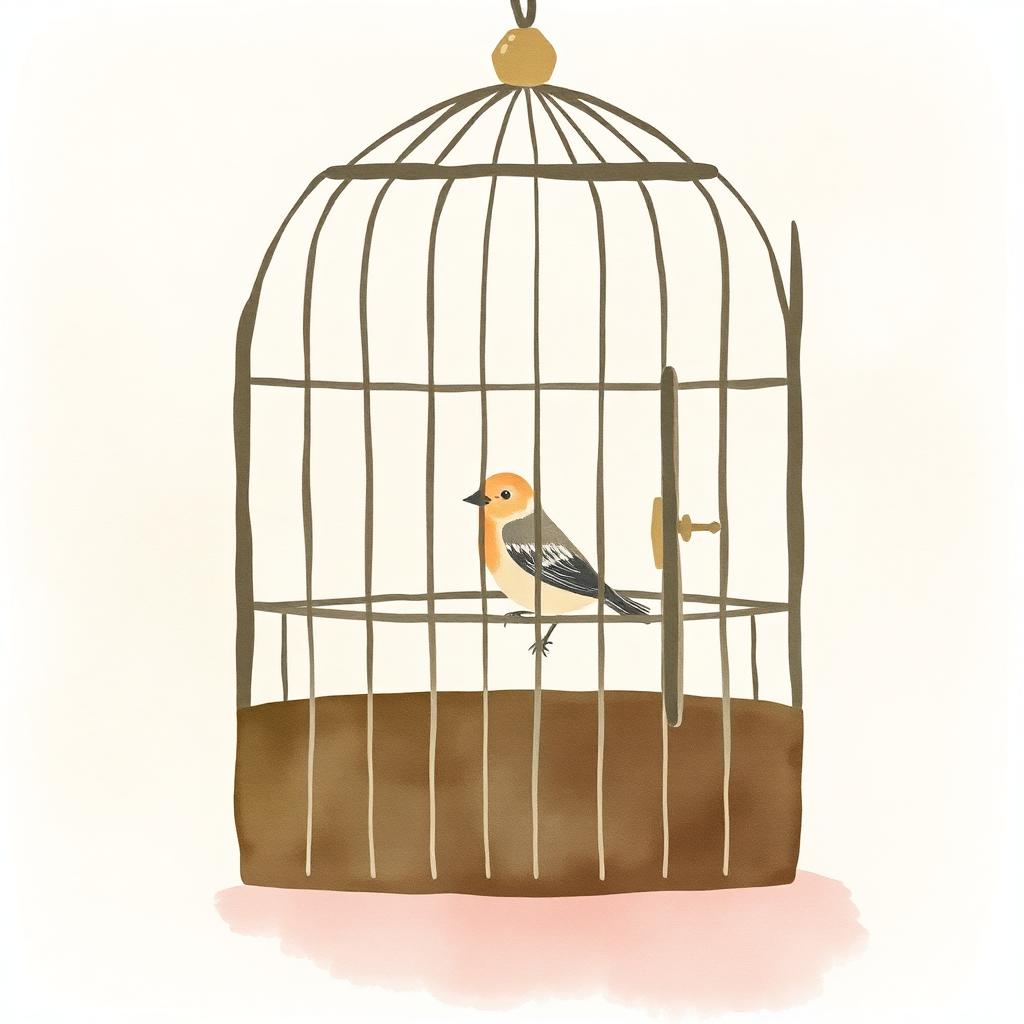
Coercive control can be difficult to name because it may not always look dramatic from the outside. At Recovery Trauma™, we understand it as the slow shrinking of our choices, confidence, privacy, and freedom.
What coercive control can look like
Coercive control is often a pattern rather than one event. It can include rules about where we go, who we speak to, what we wear, how we spend money, how quickly we reply, or what mood we are allowed to have. The controlling person may present these rules as love, concern, tradition, or common sense.
We may start adjusting our behaviour before they even say anything. We may think, they will be angry if I wear this, call them, laugh too loudly, take too long, or disagree. That anticipation is part of the control.
It may include
- Checking our phone, location, messages, or bank account.
- Making us ask permission for ordinary things.
- Criticising our friends or family until we pull away.
- Controlling transport, money, documents, or work.
- Using children, pets, housing, or immigration status as leverage.
- Punishing us with silence, rage, threats, or humiliation.
Why it can feel invisible
There may be no bruise to show. The harm may be in the constant monitoring, the fear of consequences, and the way our world becomes smaller. Friends might see a partner who is charming, helpful, or protective. We may struggle to explain why we feel trapped.
Coercive control often works by making us doubt whether the rules are reasonable. If they say, I only worry because I love you, we may feel guilty for wanting privacy. If they say, good partners share everything, we may feel selfish for needing space.
But privacy is not betrayal. Independence is not cruelty. Having a life outside a relationship is not a threat to healthy love.
The body often knows first
Before we have the words, our body may show signs of living under control. We may feel tense when our phone buzzes, rehearse explanations, hide harmless things, lose sleep, or feel relief when they are away. We may notice ourselves becoming smaller: quieter, quicker to apologise, less sure of our opinions.
These reactions make sense. When consequences are unpredictable, we become watchful. We are not overreacting because we notice fear.
A gentle reflection
Ask: if there were no consequences, what would I choose? The answer may reveal how much choice has been taken.
Safety matters more than proving the pattern
We may want to gather enough evidence to be believed. Sometimes records can be useful, especially for legal or practical support, but we do not have to prove harm to ourselves before we are allowed to seek help.
If it is safe, we can keep notes somewhere private, use a trusted device, or speak to a specialist domestic abuse service. If there is risk that monitoring is happening, it may be safer to use a friend's phone, a library computer, or ask a support service about digital safety.
Leaving or challenging control can increase risk for some people, so planning matters. We deserve support that takes the situation seriously.
Reclaiming small choices
Coming home to yourself after control often begins with tiny choices. What colour do we like? Which route do we prefer? Who do we miss? What would we eat if no one judged us? These may sound small, but control often attacks our everyday agency first.
We can rebuild by noticing one preference and respecting it. We can let ourselves have an opinion without explaining it to everyone. We can practise the feeling of being allowed.
What to try today
- Notice one rule: Write down one rule you live by because of their reaction, not because you chose it.
- Protect one private thought: Keep one preference or plan just for you, if safe.
- Find one safe resource: Look up a domestic abuse support service on a safe device, or ask someone trusted to do it.
If coercive control has made life feel small, we are not imagining it. Our need for freedom, privacy, and choice is real. We are not alone, and there are people who understand this quiet kind of abuse. This is not a substitute for professional support.
Practices that go with this article
These guided practices are part of Recovery Trauma™ membership. They were chosen to match what you have just been reading.
Ready to put what you've learned into practice?
Recovery Trauma™ gives you access to guided exercises, grounding and nervous-system practices, journals, healing journeys, assessments and other recovery resources — all in one place.
Join Recovery Trauma™Already a member? Sign in to go straight there.
Sources & further reading
- Getting help for domestic abuse — NHS
- Complex PTSD — NHS
- NHS Talking Therapies — NHS
These sources are for general education. Recovery Trauma™ does not diagnose or treat — please speak to a qualified professional about your own situation.
Cite this article: Recovery Trauma™ (2026). “Coercive Control: The Quiet Kind of Abuse.” Recovery Trauma™. https://recoverytrauma.com/blog/coercive-control-the-quiet-kind-of-abuse
Keep going with Recovery Trauma™
Wellbeing is not something you do alone. Here's what's next.
Keep reading
Related articles

Relationships
How to Overcome Betrayal Trauma: When Trust Was Broken by Someone Close
Betrayal trauma happens when the person who hurt you was the person you depended on. Why it cuts so deep, and what recovery actually involves.

Relationships
How to Help Someone Overcome Trauma (Without Taking It On)
What actually helps when someone you love is carrying trauma — what to say, what to avoid, and how to stay well yourself.

Relationships
Flying Monkeys: When Other People Carry the Abuse
Flying monkeys are the people who deliver pressure on someone elses behalf. How to recognise the pattern, why decent people get recruited, and how to respond without arguing your case.