Why It's So Hard to Leave an Abusive Relationship
Leaving abuse is rarely simple; here we unpack the fear, hope, pressure and practical barriers that can keep us stuck
Part of our guide to what a trauma bond is and how to break free.
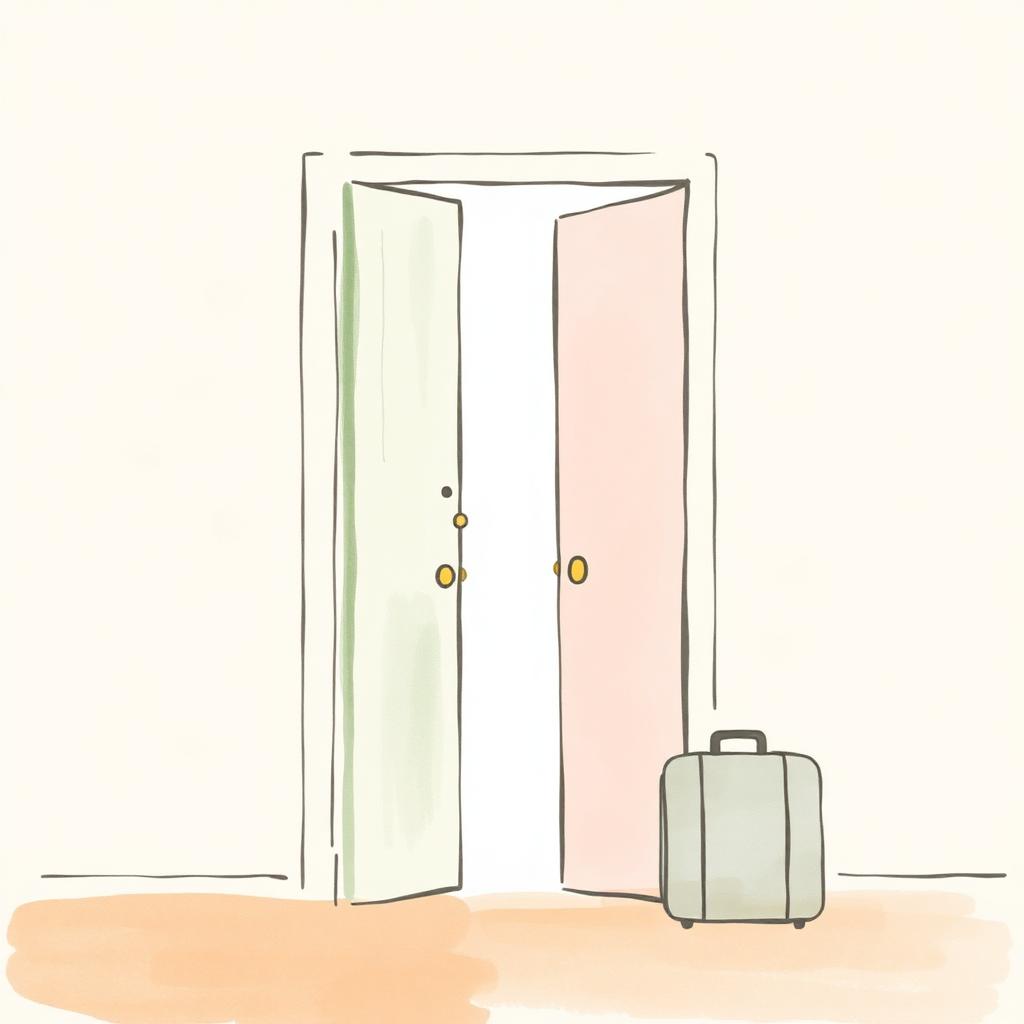
Leaving an abusive relationship can look simple from the outside, but from the inside it can feel like standing in fog with no safe path ahead. At Recovery Trauma™, we speak to the part of us that knows leaving is not just one decision, but many small, brave decisions made under pressure.
Leaving is not a straight line
When people ask, why do we stay, they often miss the bigger question: what has been done to make leaving feel impossible? Abuse can shrink our world slowly. We may lose confidence, money, friends, privacy, sleep, or the sense that our feelings matter.
Leaving can also bring real risks. Some people become more controlling when they sense distance. Some threaten to harm themselves, take the children, ruin our reputation, or make us homeless. These fears are not silly. They are often based on things we have already seen.
We may be holding many truths
- We may love them and still know the relationship hurts us.
- We may miss the good moments and still need safety.
- We may feel responsible for them and still deserve freedom.
- We may leave, return, and leave again before it becomes permanent.
None of this means we are weak. It means we have been trying to survive something complicated.
Hope can keep us hooked
Many abusive relationships are not awful every minute. There may be apologies, affection, laughter, promises, or a version of them we keep waiting to see again. We may think, if we explain it better, love harder, stay calmer, choose the right words, then things will change.
That hope is human. It is not foolish to want the person we love to be safe and kind. But hope can become painful when it asks us to ignore repeated behaviour. A promise matters most when it is followed by consistent change, accountability, and respect for our boundaries.
A gentle question
Instead of asking, do they love us, we might ask: do we feel safe to be ourselves with them? Love without safety can leave us exhausted.
Practical barriers are real
Leaving may involve housing, benefits, immigration worries, pets, children, disability access, shared debt, work, community judgement, or fear of not being believed. For some of us, our support network has been worn down over time. For others, family or faith communities may pressure us to forgive, stay quiet, or keep the peace.
These barriers are not excuses. They are real life. A safe exit often needs planning, money, documents, transport, emotional backup, and sometimes specialist advice. If we cannot leave today, we can still take ourselves seriously today.
Safety can begin quietly
Small steps might include saving important numbers under neutral names, keeping copies of documents, learning local support options, or telling one trusted person a simple phrase that means, I need help.
Shame makes silence louder
Abuse often teaches us to doubt ourselves. We may feel embarrassed that we stayed, returned, shouted back, lied to cover it up, or still care about them. Shame says, you should have known better. Compassion says, you did the best you could with the fear and information you had.
We do not have to present a perfect story to deserve support. We do not have to prove we are a good survivor. We are allowed to be confused, grieving, angry, numb, relieved, and frightened all at once.
Leaving emotionally can take time
Even after physical distance, our mind may still scan for their mood, imagine their reaction, or crave reassurance from them. This does not mean leaving was wrong. It may mean our nervous system learned to organise itself around their behaviour.
Coming home to yourself can be slow. We rebuild by noticing what we like, what we need, what we refuse, and what makes our body soften. We practise trusting tiny signals before big decisions.
What to try today
- Name one truth: Write one sentence beginning, Today I know that... Keep it private if needed.
- Choose one safe contact: Think of one person, service, or helpline you could contact if things escalated.
- Gather one item: Put a copy of one important document somewhere safe, if it is safe to do so.
If leaving feels hard, it does not mean we are failing. It means the situation has weight, and we deserve support that understands that weight. We are not alone, and we do not have to do everything at once. This is not a substitute for professional support.
Practices that go with this article
These guided practices are part of Recovery Trauma™ membership. They were chosen to match what you have just been reading.
Ready to put what you've learned into practice?
Recovery Trauma™ gives you access to guided exercises, grounding and nervous-system practices, journals, healing journeys, assessments and other recovery resources — all in one place.
Join Recovery Trauma™Already a member? Sign in to go straight there.
Sources & further reading
- Getting help for domestic abuse — NHS
- Complex PTSD — NHS
- NHS Talking Therapies — NHS
These sources are for general education. Recovery Trauma™ does not diagnose or treat — please speak to a qualified professional about your own situation.
Cite this article: Recovery Trauma™ (2026). “Why It's So Hard to Leave an Abusive Relationship.” Recovery Trauma™. https://recoverytrauma.com/blog/why-its-so-hard-to-leave-an-abusive-relationship
Keep going with Recovery Trauma™
Wellbeing is not something you do alone. Here's what's next.
Keep reading
Related articles

Relationships
How to Overcome Betrayal Trauma: When Trust Was Broken by Someone Close
Betrayal trauma happens when the person who hurt you was the person you depended on. Why it cuts so deep, and what recovery actually involves.

Relationships
How to Help Someone Overcome Trauma (Without Taking It On)
What actually helps when someone you love is carrying trauma — what to say, what to avoid, and how to stay well yourself.

Relationships
Flying Monkeys: When Other People Carry the Abuse
Flying monkeys are the people who deliver pressure on someone elses behalf. How to recognise the pattern, why decent people get recruited, and how to respond without arguing your case.