Trauma and Sleep: Why It's So Hard and How to Rest Again
If you can't sleep after trauma, please know you are not alone. It's a common, if exhausting, part of recovery. Let's gently explore why this happens and what might help you find moments of rest again.
Part of our guide to 50 grounding techniques for anxiety, PTSD and CPTSD.
Lying awake at 3 a.m., heart pounding, your mind replaying events or just buzzing with a nameless dread. Sound familiar? If you're a survivor, chances are your relationship with sleep is complicated. Here at Recovery Trauma™, we know this exhaustion intimately. It’s not a personal failing; it's a profound, physiological response to overwhelming experiences. The good news is that while we can't promise a 'cure', there are gentle, compassionate ways to start inviting rest back into your life.
The Survival Brain and Sleep
After a traumatic experience, the brain’s alarm system – the amygdala – can get stuck in the 'on' position. Your body is in a state of hypervigilance, constantly scanning for threats, even when you're physically safe in your own bed. It makes complete sense that you can't sleep after trauma; your nervous system is trying to protect you. Sleep requires us to be vulnerable, to let go of control. For a survival brain, this feels impossible, even dangerous. It's not that you won't switch off, it's that your body's survival mechanism won't let you. This is why a huge part of trauma recovery is learning to show your body, not just tell your mind, that you are safe now.
Common Sleep Issues After Trauma
The connection between trauma and sleep problems surfaces in many ways. While every survivor's experience is unique, some patterns are very common. It’s not just about getting less sleep; it's about the quality of that sleep being deeply disrupted. You might recognise some of these:
- PTSD Insomnia: This is more than just trouble sleeping. It can be difficulty falling asleep (sleep-onset insomnia) or waking up frequently throughout the night and being unable to get back to sleep (sleep-maintenance insomnia).
- Trauma Nightmares: These are often vivid, distressing dreams that can replay the traumatic event or revolve around themes of threat and helplessness. Waking up from these leaves you with very real physical sensations of fear, like a racing heart and sweating.
- Fear of Sleep: The anticipation of nightmares or the feeling of being vulnerable can lead to a conscious or subconscious avoidance of going to bed.
- Restless Legs or Body Pains: The tension held in the body from a constantly activated nervous system can manifest physically at night, making it impossible to get comfortable.
7 Gentle Ways to Invite Rest
There is no magic wand for PTSD insomnia or trauma nightmares, but there are small, steady practices that can help create the conditions for rest. This is about working with your body, not fighting against it.
-
Create a 'Wind-Down' Buffer: An hour before bed, turn off screens. The blue light and stimulating content keep your brain on high alert. Instead, create a buffer of calm. Read a gentle book, listen to calming music, do a simple craft, or stretch lightly. The goal is to signal to your nervous system that the day is over.
-
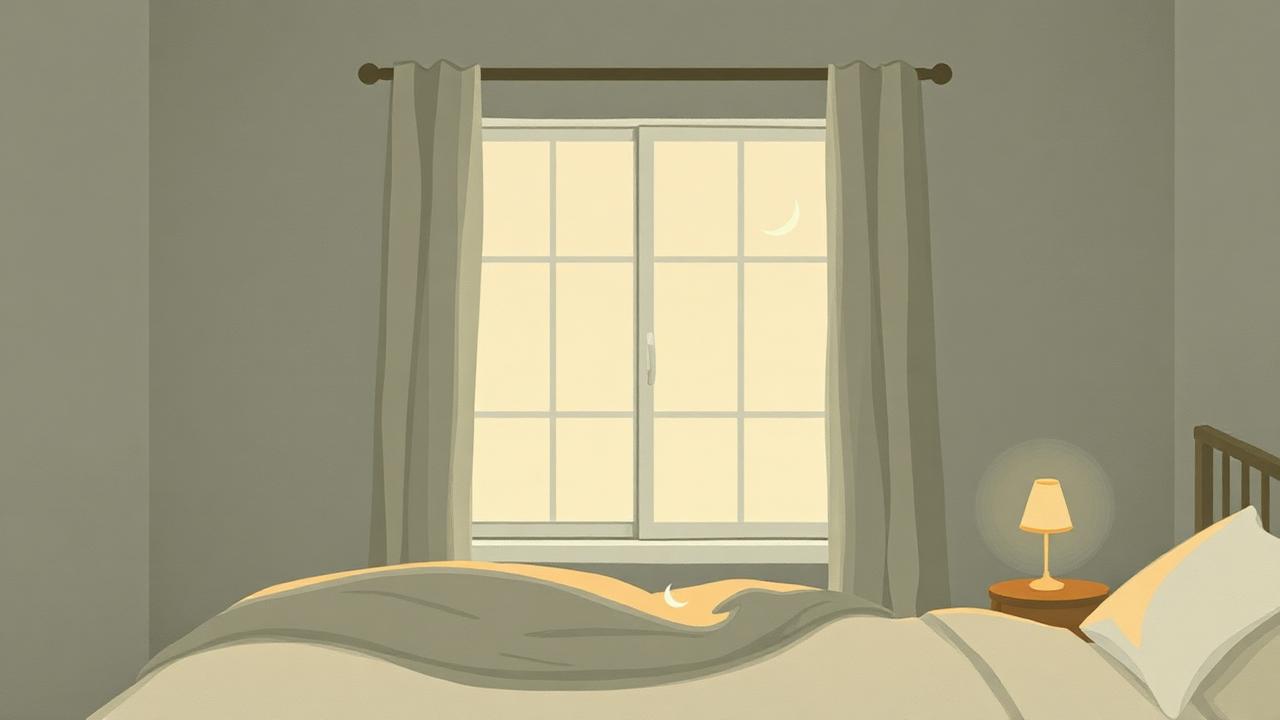
Make Your Bedroom a Sanctuary: Your bedroom should feel as safe as possible. Declutter the space. Use soft lighting. Are there comforting textures, like a weighted blanket or a soft duvet cover? Can you use scents you find grounding, like lavender? It's about creating a space that feels like yours.
-
Grounding Before Bed: Before you even get under the covers, take a moment to ground yourself in the present. Stand with your feet flat on the floor and really feel them. Press your palms together. Name five things you can see in the room. This brings you out of swirling thoughts and into your physical body, right here, right now.
-
Embrace the 'Good Enough' Night: Let go of the pressure to have a perfect eight hours. This pressure itself can cause anxiety. The goal is rest, not perfection. If you're awake, try not to fight it. Get up, have a warm drink in another room, and read until you feel sleepy. Rest can happen even when sleep doesn't.
-
Journal to Offload: If your mind is racing, get the thoughts out. Spend ten minutes writing down everything that's swirling around. You don't have to solve anything, just get it onto the page. This can create a little distance between you and your worries.
-
Gentle Movement: While intense exercise too close to bed can be over-stimulating, some gentle movement can release stored tension. Think slow, mindful stretching, or a few restorative yoga poses. Pay attention to the sensation of your muscles releasing.
-
Working With Nightmares: When you wake from a nightmare, immediately practise grounding. Remind yourself where you are and that the dream is over. It can also be helpful to 'rewrite the ending' of the nightmare while you are awake. Visualise a different outcome, one where you are safe or have power. If nightmares or difficult feelings are becoming overwhelming, please know that support is available. Reaching out to a trusted person, a GP, or a crisis service like the Samaritans (116 123 in the UK) is an act of strength.
Steadying Yourself After a Bad Night
When you've had a difficult night, the next day can feel like a write-off. The key is self-compassion. Don't blame yourself. Your body did its best to get through the night. Be gentle with yourself. If you can, cancel non-essential plans. Hydrate, eat nourishing food, and find small moments for rest, even if it's just five minutes sitting quietly. Acknowledge the exhaustion without judgment. This is a crucial part of your recovery wellbeing.
What to try today Tonight, an hour before you want to go to bed, put your phone away. Try reading a book (a real one!), listening to some calming music, or just sitting with a warm, caffeine-free drink. Notice how it feels to create this small pocket of quiet for yourself, without any expectation other than to just be.
Navigating the relationship between trauma and sleep is a journey, not a race. Each small step you take to honour your body's need for safety is a step forward. Be patient and endlessly kind to yourself as you find your way back to rest. Remember, these suggestions are invitations, not rules, and this information does not replace professional support from a trauma-informed therapist.
Practices that go with this article
These guided practices are part of Recovery Trauma™ membership. They were chosen to match what you have just been reading.
Ready to put what you've learned into practice?
Recovery Trauma™ gives you access to guided exercises, grounding and nervous-system practices, journals, healing journeys, assessments and other recovery resources — all in one place.
Join Recovery Trauma™Already a member? Sign in to go straight there.
Sources & further reading
These sources are for general education. Recovery Trauma™ does not diagnose or treat — please speak to a qualified professional about your own situation.
Cite this article: Recovery Trauma™ (2026). “Trauma and Sleep: Why It's So Hard and How to Rest Again.” Recovery Trauma™. https://recoverytrauma.com/blog/trauma-and-sleep-why-its-hard-how-to-rest
Keep going with Recovery Trauma™
Wellbeing is not something you do alone. Here's what's next.
Keep reading