What Is Generational Trauma? Signs, Causes, and How to Break the Cycle
Learn what generational trauma is, how it affects families across generations, common signs, and practical steps to begin breaking the cycle of trauma.
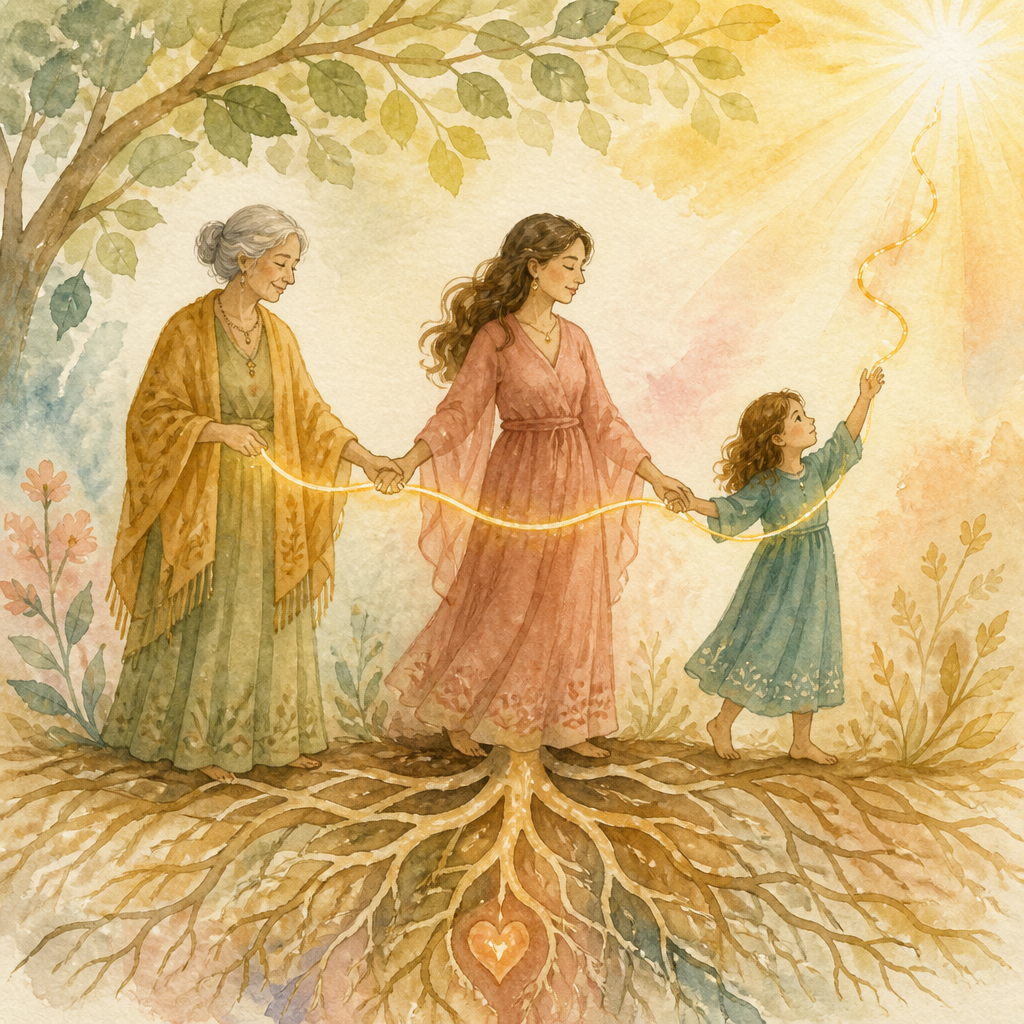
What Is Generational Trauma?
Have you ever wondered why certain patterns seem to repeat in families?
Perhaps anxiety, emotional distance, addiction, anger, or difficulty trusting others have affected multiple generations. You may have heard phrases like, "That's just how our family is," or "We've always been like this."
Sometimes these patterns are more than habits — they may be linked to generational trauma, also called intergenerational trauma.
The good news is that while trauma can be passed from one generation to the next, healing can be too.
What Is Generational Trauma?
Generational trauma refers to the emotional, psychological, and behavioural effects of traumatic experiences that are passed from one generation to another.
This doesn't mean trauma is simply "inherited" in the same way as eye colour. Instead, children often grow up learning survival strategies from parents or caregivers who may have experienced unresolved trauma themselves.
These patterns can influence:
- How emotions are expressed
- How relationships are formed
- Parenting styles
- Attachment
- Beliefs about safety
- Self-esteem
- Coping strategies
Many people don't realise these patterns exist until adulthood.
How Does Trauma Get Passed Down?
Trauma is often passed through everyday experiences rather than through conversations about the original event.
For example, a parent who experienced emotional neglect as a child may never have learned how to comfort someone emotionally. They may deeply love their child but struggle to show affection or talk about feelings.
Children naturally adapt to the environment they grow up in. If a child learns that expressing emotions leads to criticism or rejection, they may begin hiding their feelings. As adults, they might then unknowingly repeat the same patterns with their own children.
Trauma can also affect the body's stress response. Researchers are continuing to explore how severe stress may influence biological processes across generations, although this area of science is still developing.
Common Causes of Generational Trauma
Many different experiences can contribute to generational trauma, including:
- Childhood abuse
- Emotional neglect
- Domestic violence
- Alcohol or substance misuse
- Loss of a parent
- War and conflict
- Forced migration or refugee experiences
- Racism and discrimination
- Poverty
- Serious illness
- Community violence
- Natural disasters
Not every family who experiences these events develops generational trauma, but unresolved trauma can increase the likelihood of patterns continuing.
Signs of Generational Trauma
Generational trauma can look different in every family, but some common signs include:
Difficulty Trusting Others
You may expect people to leave, betray, or disappoint you, even when there is little evidence they will.
People-Pleasing
You constantly prioritise other people's needs while ignoring your own because conflict feels unsafe.
Emotional Numbness
You struggle to identify or express emotions because feelings were discouraged growing up.
Hypervigilance
Your nervous system stays on high alert, always scanning for danger, criticism, or rejection.
Fear of Abandonment
Relationships may feel overwhelming because losing connection feels deeply threatening.
Perfectionism
Making mistakes may feel unsafe because you learned that love or approval depended on achievement.
Difficulty Setting Boundaries
Saying "no" may trigger guilt, shame, or anxiety.
Chronic Shame
Instead of thinking, "I made a mistake," you believe, "There is something wrong with me."
Examples of Generational Trauma
Many family messages are passed down without anyone questioning them. For example:
- "Children should be seen and not heard."
- "Don't cry."
- "Be strong."
- "We don't talk about feelings."
- "Family problems stay inside the family."
- "Don't trust anyone."
- "Love has to be earned."
- "You should always put others first."
These beliefs often began as survival strategies during difficult times. However, what once protected one generation may no longer serve the next.
How Generational Trauma Affects Relationships
People affected by generational trauma may experience:
- Difficulty trusting partners
- Fear of intimacy
- Avoiding conflict
- Becoming overly responsible for others
- Repeating unhealthy relationship patterns
- Struggling with emotional regulation
- Feeling responsible for keeping everyone happy
Recognising these patterns isn't about blaming yourself or your family. It's about understanding how early experiences shape adult relationships.
Can Generational Trauma Be Broken?
Yes.
Breaking generational trauma doesn't mean blaming your parents or grandparents. Many caregivers did the best they could with the knowledge, support, and resources they had.
Healing begins when someone becomes aware of the patterns and chooses a different path. Every healthy boundary, every calm conversation, and every act of self-compassion has the potential to change the future for generations to come.
How to Begin Healing
Healing is a personal journey, but many people find these approaches helpful.
Learn About Trauma
Understanding how trauma affects the brain and nervous system can reduce shame and help make sense of your experiences.
Build Nervous System Safety
Gentle breathing exercises, grounding techniques, mindfulness, and movement can help your body learn that it is safe in the present moment.
Journal Your Experiences
Writing can help identify repeating family patterns and increase self-awareness. Ask yourself:
- What messages did I receive about emotions?
- What happened when someone cried?
- How was conflict handled?
- What beliefs about love did I learn?
- Which patterns do I want to change?
Practise Healthy Boundaries
Learning to say no respectfully can help break cycles of people-pleasing and resentment.
Seek Support
A trauma-informed therapist or supportive community can provide guidance as you work through difficult experiences. Healing does not have to happen alone.
Myths About Generational Trauma
Myth: It means your parents were bad people. Reality: Many loving parents carry unresolved trauma without realising how it affects their parenting.
Myth: You are destined to repeat the cycle. Reality: Awareness is often the first and most powerful step towards change.
Myth: Healing means forgetting the past. Reality: Healing is about developing a healthier relationship with your experiences, not erasing them.
Healing Starts With Awareness
Many people spend years believing that something is "wrong" with them. Often, they were simply adapting to an environment where those survival strategies made sense.
Recognising generational trauma isn't about placing blame. It's about understanding where patterns came from so you can make different choices moving forward.
Every time you practise self-compassion, set a healthy boundary, regulate your nervous system, or respond differently than previous generations, you are helping to create a new legacy.
Healing doesn't just change your life — it can influence the lives of those who come after you.
Continue Your Healing Journey
At Recovery Trauma™, we believe healing happens through understanding, compassion, and practical support.
Our survivor-led platform brings together tools designed to support trauma recovery, including:
- Recovery Journal
- Dream Journal
- Guided breathing exercises
- Grounding techniques
- Somatic practices
- Trauma education
- Community support
- Therapist directory
- Guided self-reflection tools
Whether you're just beginning to explore generational trauma or have been on your healing journey for years, remember this: the cycle can end with you. And healing can begin with one small step today.
Practices that go with this article
These guided practices are part of Recovery Trauma™ membership. They were chosen to match what you have just been reading.
Ready to put what you've learned into practice?
Recovery Trauma™ gives you access to guided exercises, grounding and nervous-system practices, journals, healing journeys, assessments and other recovery resources — all in one place.
Join Recovery Trauma™Already a member? Sign in to go straight there.
Sources & further reading
- Post-traumatic stress disorder (PTSD) — overview — NHS
- Post-traumatic stress disorder — fact sheet — World Health Organization
- Post-traumatic stress disorder (guideline NG116) — NICE
- Working definition of trauma-informed practice — UK Government (OHID)
These sources are for general education. Recovery Trauma™ does not diagnose or treat — please speak to a qualified professional about your own situation.
Cite this article: Recovery Trauma™ (2026). “What Is Generational Trauma? Signs, Causes, and How to Break the Cycle.” Recovery Trauma™. https://recoverytrauma.com/blog/generational-trauma
Keep going with Recovery Trauma™
Wellbeing is not something you do alone. Here's what's next.
Frequently asked questions
Is generational trauma real?
Yes. Mental health professionals recognise that trauma can influence family patterns across generations through relationships, attachment, parenting, learned behaviours, and other mechanisms. Researchers continue to study the biological processes that may also contribute.
Is generational trauma genetic?
Not exactly. While scientists are exploring how severe stress might influence biological processes across generations, most of what people experience is understood to be passed on through family environments, relationships, coping styles, and learned behaviours rather than through genes alone.
Can trauma skip a generation?
Sometimes. Family patterns may appear differently across generations. One generation may suppress emotions, while the next develops anxiety or struggles with emotional regulation.
How do I know if I have generational trauma?
You might notice repeating patterns within your family, such as emotional neglect, difficulty trusting others, chronic shame, people-pleasing, or unhealthy relationship dynamics. While these experiences can be linked to generational trauma, they can also have other causes, so it's important not to self-diagnose based on a single article.
Keep reading
Related articles
Trauma Recovery
How to Overcome Trauma: A Step-by-Step Guide for Adults
Overcoming trauma is not about forgetting what happened. It is about helping your nervous system learn that the danger is over. Here is what that takes, step by step, at your own pace.
Trauma Recovery
What Is Emotional Trauma? When the Wound Is Not Physical
Emotional trauma comes from experiences that overwhelmed your sense of safety, worth or belonging — with no visible injury to point at. Here is what it is and how it shows up.
Trauma Recovery
What Is Trauma? A Plain Explanation of What It Is and What It Does
Trauma is not the event itself — it is what the event left behind in your nervous system. A clear, survivor-led explanation, without diagnosis or jargon.