What Is Trauma Healing? A Complete Guide to Recovering After Trauma
Learn what trauma healing really means, how the nervous system recovers, common stages of healing, and practical techniques that can help.
What Is Trauma Healing?
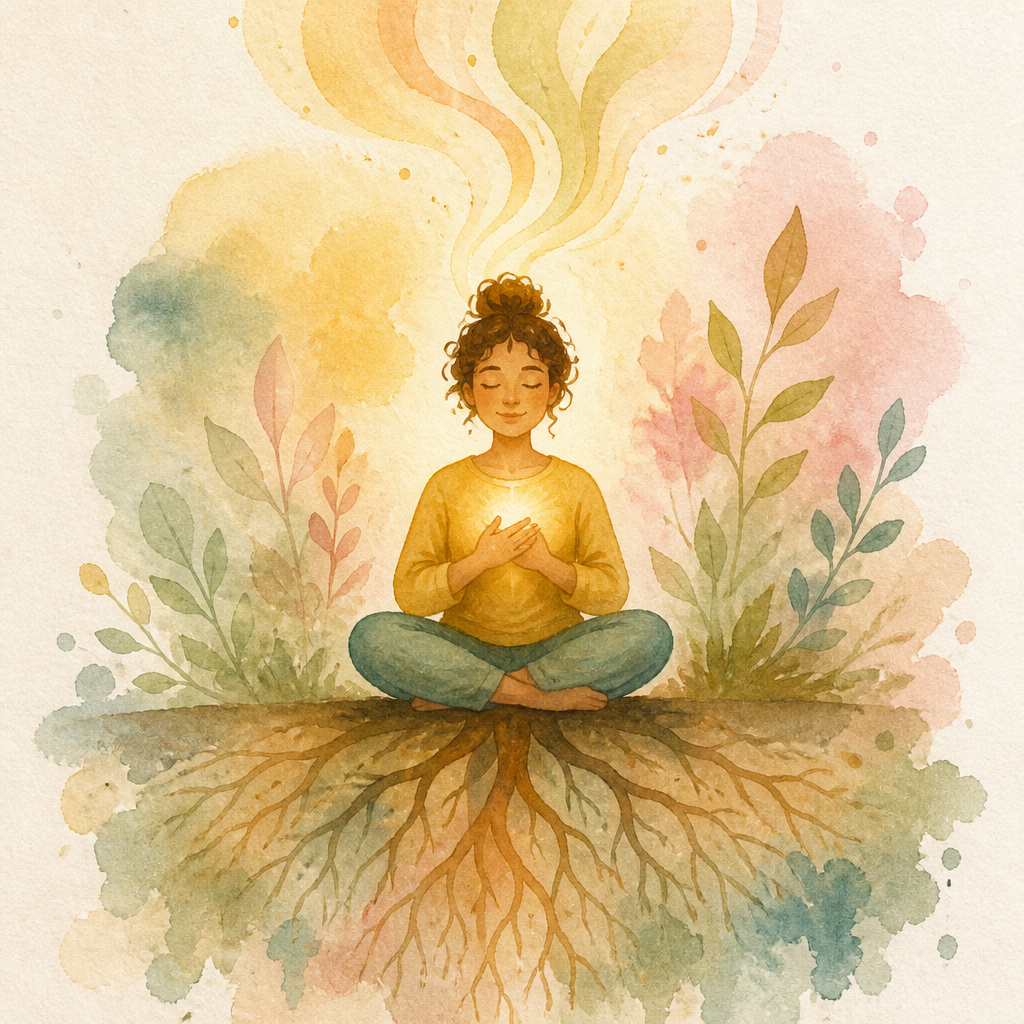
Trauma healing is the process of helping your mind, body, and nervous system recover after overwhelming or distressing experiences. Healing doesn't mean forgetting what happened. Instead, it means learning to feel safer, calmer, and more connected with yourself and others.
For many people, trauma affects much more than memories. It can influence emotions, relationships, sleep, concentration, physical health, and the way the nervous system responds to everyday situations.
Healing is possible. It often happens gradually through safety, self-compassion, supportive relationships, education, and practices that help regulate the nervous system.
What Is Trauma?
Trauma is not only about what happened to you. Trauma is also about how your nervous system experienced what happened.
Two people can experience the same event but respond differently depending on factors such as:
- Age
- Previous experiences
- Support available
- Sense of safety
- Genetics
- Environment
Trauma can develop after:
- Childhood abuse
- Emotional neglect
- Domestic violence
- Sexual assault
- Medical trauma
- Accidents
- Military combat
- Natural disasters
- Bullying
- Racism or discrimination
- Sudden loss of a loved one
How Trauma Affects the Nervous System
Your nervous system is designed to keep you alive. When it detects danger, it activates automatic survival responses.
These include:
- Fight
- Flight
- Freeze
- Fawn
These responses are normal. Sometimes the nervous system remains stuck in survival mode long after the danger has passed. This is why people may continue experiencing anxiety, panic, emotional numbness, hypervigilance, or difficulty trusting others.
Signs You May Be Healing From Trauma
Healing often looks different than people expect. You may notice:
- Feeling emotions without becoming overwhelmed
- Sleeping better
- Reduced anxiety
- Better boundaries
- Feeling safer in relationships
- Less shame
- Fewer emotional flashbacks
- More self-compassion
- Improved concentration
- Greater ability to enjoy everyday life
Progress is rarely linear. Good and difficult days are both a normal part of recovery.
Can Trauma Ever Be Fully Healed?
Many people wonder whether trauma ever completely goes away. The memories usually remain. What often changes is your relationship with those memories.
Instead of feeling trapped in survival mode, many people find they can think about the past without becoming overwhelmed. Their nervous system learns that the danger is no longer happening in the present.
Trauma Healing Is Not One Size Fits All
There is no single method that works for everyone. Many people benefit from combining approaches such as:
Trauma-informed therapy
Working with a qualified therapist can help process difficult experiences safely.
Nervous system regulation
Practices like breathing exercises, grounding, and gentle movement help the body return to a state of safety.
Journaling
Writing thoughts and emotions can improve awareness and reduce emotional overwhelm.
Mindfulness
Learning to observe thoughts and feelings without judgment can strengthen emotional regulation.
Community
Healing often happens in connection with safe, supportive people rather than in isolation.
Common Myths About Trauma Healing
Myth: Healing should be quick. Reality: Recovery often takes time and patience.
Myth: If you're triggered, you're failing. Reality: Triggers are opportunities to understand your nervous system.
Myth: You should simply move on. Reality: Healing involves processing experiences rather than suppressing them.
Myth: Everyone heals the same way. Reality: Every person's journey is unique.
Practical Trauma Recovery Techniques
Many people find these practices helpful:
- Box breathing
- 4-7-8 breathing
- 5-4-3-2-1 grounding
- Progressive muscle relaxation
- Butterfly Hug
- EFT tapping
- Gentle yoga
- Body scans
- Journaling
- Safe place visualisation
When to Seek Professional Support
Consider speaking with a trauma-informed mental health professional if trauma symptoms are interfering with daily life, relationships, work, or your wellbeing. Professional support can provide guidance and coping strategies tailored to your individual needs.
Healing Takes Time
Healing isn't about becoming the person you were before trauma. It's about becoming someone who feels safer, more connected, and more able to live the life you want.
Every small step — whether it's taking one deep breath, setting a healthy boundary, or asking for support — is part of the healing journey.
Continue Your Healing Journey
At Recovery Trauma™, we've created a survivor-led platform bringing together many of the tools people use during recovery, including:
- Recovery Journal
- Dream Journal
- Guided breathing exercises
- Grounding techniques
- Somatic practices
- Trauma-informed articles
- Nervous system education
- Community support
- Therapist directory
- Self-help exercises
Whether you're just beginning your journey or have been healing for years, remember that recovery is possible — and you don't have to do it alone.
Practices that go with this article
These guided practices are part of Recovery Trauma™ membership. They were chosen to match what you have just been reading.
Ready to put what you've learned into practice?
Recovery Trauma™ gives you access to guided exercises, grounding and nervous-system practices, journals, healing journeys, assessments and other recovery resources — all in one place.
Join Recovery Trauma™Already a member? Sign in to go straight there.
Sources & further reading
- Post-traumatic stress disorder (PTSD) — overview — NHS
- Post-traumatic stress disorder — fact sheet — World Health Organization
- Post-traumatic stress disorder (guideline NG116) — NICE
- Working definition of trauma-informed practice — UK Government (OHID)
These sources are for general education. Recovery Trauma™ does not diagnose or treat — please speak to a qualified professional about your own situation.
Cite this article: Recovery Trauma™ (2026). “What Is Trauma Healing? A Complete Guide to Recovering After Trauma.” Recovery Trauma™. https://recoverytrauma.com/blog/what-is-trauma-healing
Keep going with Recovery Trauma™
Wellbeing is not something you do alone. Here's what's next.
Frequently asked questions
What does trauma healing actually mean?
Trauma healing is the gradual process of helping your mind, body, and nervous system recover after overwhelming experiences. It doesn't mean forgetting what happened — it means learning to feel safer, calmer, and more connected in the present.
How long does trauma healing take?
There is no fixed timeline. Recovery depends on the type of trauma, support available, and how long the nervous system has been in survival mode. Many people notice change over months and years, with good days and difficult days both being normal parts of the process.
Can trauma be fully healed?
The memories usually remain, but your relationship with them can change. Many people find that with time and support, they can think about the past without becoming overwhelmed, because the nervous system learns the danger is no longer happening now.
What are the best techniques for trauma recovery?
Common evidence-informed practices include trauma-focused therapy, nervous system regulation (breathing, grounding, gentle movement), journaling, mindfulness, and supportive community. No single technique works for everyone — most people combine several.
When should I seek professional help for trauma?
Consider reaching out to a trauma-informed mental health professional if symptoms are interfering with your daily life, relationships, work, sleep, or overall wellbeing. Professional support can offer strategies tailored to you and a safer container for processing difficult experiences.
Keep reading
Related articles

Trauma Recovery
How to Overcome Trauma: A Step-by-Step Guide for Adults
Overcoming trauma is not about forgetting what happened. It is about helping your nervous system learn that the danger is over. Here is what that takes, step by step, at your own pace.

Trauma Recovery
What Is Emotional Trauma? When the Wound Is Not Physical
Emotional trauma comes from experiences that overwhelmed your sense of safety, worth or belonging — with no visible injury to point at. Here is what it is and how it shows up.
Trauma Recovery
What Is Trauma? A Plain Explanation of What It Is and What It Does
Trauma is not the event itself — it is what the event left behind in your nervous system. A clear, survivor-led explanation, without diagnosis or jargon.