EFT Tapping for Sleep and Night-time Anxiety
Why the body gets loud at night, and a short tapping sequence you can do lying down without switching a light on.
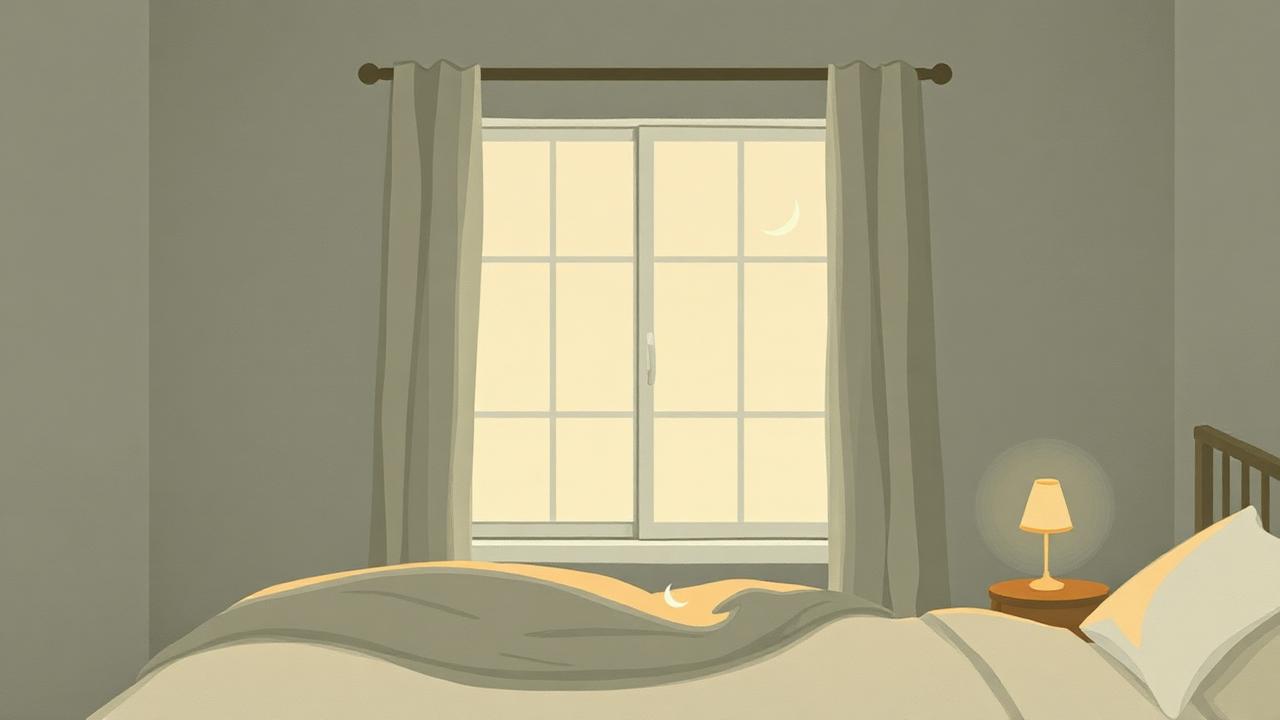
Night is when the distractions stop. For a lot of survivors that is precisely the problem: the day's noise was doing a job, and without it the body finally reports in.
Tapping suits this hour well, because it needs no screen, no light, and no getting out of bed.
Why nights are harder
- Nothing left to occupy the system. Vigilance that had somewhere to point during the day points inward.
- Darkness and stillness read as vulnerability to a nervous system that learned to be alert.
- Cortisol rhythms mean some people wake reliably at 3–4am, then interpret being awake as a crisis.
- Bed itself may be associated with unsafety for many survivors. That association is learned, and it can be re-learned.
Knowing that the wakefulness is a pattern rather than a personal failure takes some of the panic out of being awake.
A lying-down sequence
You can do this flat on your back in the dark.
Rate it first. How wired are you, 0–10? Just note the number in your head.
Side of hand, tapping gently:
"Even though my body is still on duty, I'm allowed to rest now."
Then move slowly through, 5–7 gentle taps each, with a phrase:
- Eyebrow — "This wide-awake body."
- Side of eye — "Still checking. Still scanning."
- Under eye — "It's dark and I'm safe."
- Under nose — "Nothing needs solving tonight."
- Chin — "This can wait until morning."
- Collarbone — "My bed is safe. My body can stand down."
- Under arm — "Heavy. Slow. Warm."
Then stop talking and keep tapping the collarbone slowly, in time with a long, slow out-breath. Let the tapping get lighter and slower until you stop.
Re-rate. If you are still above a 5, run it again with whatever specific thought is actually keeping you awake.
The 3am version
If you wake in the night, do not turn on a light and do not check your phone. Both restart the day.
Tap collarbone only, slowly, saying: "Nothing has to be decided now. Morning is for that."
The aim is not to fall asleep on command. It is to stop fighting being awake, because the fighting is what keeps you awake.
What else moves the needle
Tapping works better inside a few basic conditions:
- Same wake time daily, even after a bad night. This anchors the rhythm more than bedtime does.
- Light in the morning, ideally outdoors, within an hour of waking.
- A cool, dark room. Body temperature has to drop for sleep to start.
- A wind-down that is not a screen — the breathing library has short practices for this.
- No clock-watching. Turn it away from you.
When it is more than a rough patch
Persistent insomnia over weeks, night terrors, or waking in panic most nights deserves real support rather than management. Speak to a GP, and if things are acute see our crisis resources.
A gentle next step
The EFT Tapping Flashcards include a sleep script you can follow in low light, and the Learning Hub has broader nervous-system material if nights are a persistent problem.
Rest that comes slowly still counts as rest.
Practices that go with this article
These guided practices are part of Recovery Trauma™ membership. They were chosen to match what you have just been reading.
Ready to put what you've learned into practice?
Recovery Trauma™ gives you access to guided exercises, grounding and nervous-system practices, journals, healing journeys, assessments and other recovery resources — all in one place.
Join Recovery Trauma™Already a member? Sign in to go straight there.
Sources & further reading
- Sleep problems — Every Mind Matters — NHS
- Post-traumatic stress disorder (PTSD) — overview — NHS
- Generalised anxiety disorder in adults — NHS
These sources are for general education. Recovery Trauma™ does not diagnose or treat — please speak to a qualified professional about your own situation.
Cite this article: Recovery Trauma™ (2026). “EFT Tapping for Sleep and Night-time Anxiety.” Recovery Trauma™. https://recoverytrauma.com/blog/eft-tapping-for-sleep-and-night-anxiety
Keep going with Recovery Trauma™
Wellbeing is not something you do alone. Here's what's next.
Keep reading